
Author: aeb83134_admin

  • Raleigh’s Stage 1 Water Restrictions: What Homeowners Need to Know About Irrigation

    Raleigh has officially moved into Stage 1 water restrictions due to ongoing drought conditions across central North Carolina. These measures are designed to reduce water use while still allowing essential outdoor irrigation—if done correctly.

    Important: These water restrictions only apply to City of Raleigh water customers. If your home is serviced by Aqua (a primary water provider in surrounding Wake County areas), your restrictions may be different and you should refer to their specific guidelines.

    At Eco Irrigation, we know this can feel confusing for homeowners, so here’s a simple breakdown of what you need to know if you live within the City of Raleigh. (more…)

  • Hidden Signs Your Irrigation System Is Wasting Water

    Some irrigation problems are obvious—like a broken sprinkler head shooting water into the street. But most waste happens quietly.

    Watch for these signs:

    • Uneven lawn growth – patchy green areas mixed with dry spots
    • Soggy or muddy zones – especially near sprinkler heads or low areas
    • Higher-than-normal water bills with no clear explanation
    • Spray misting in the air – a sign of pressure issues or wind drift
    • Runoff onto sidewalks or driveways during watering cycles

    If you notice one or more of these, your system is likely using more water than necessary. (more…)

  • Spring Irrigation: Why Professional Service Matters

    Spring is the ideal time to ensure your irrigation system is ready for the growing season. After months of winter, valves can freeze, pipes may crack, and sprinkler heads often become misaligned. Without a thorough maintenance inspection and professional start-up, these issues can lead to costly water damage, uneven coverage, and stressed landscaping. Eco Irrigation is a Licensed Irrigation contractor #0001, and we specialize in making sure your system runs safely and efficiently. (more…)

  • Signs Your Irrigation System Needs Repair or an Upgrade

    While winter is still firmly in place, it’s a smart time to evaluate the condition of your irrigation system before spring demand begins. Issues from last season or damage caused by cold temperatures often go unnoticed until systems are turned back on. Addressing concerns now allows time for proper repairs, planning upgrades, and avoiding delays once the growing season arrives. (more…)

  • Get a Jump on Spring with Winter Pricing – Upgrade Your Irrigation & Lighting Now!

    A modern home with outdoor lighting illuminating the landscape and home.As the seasons shift and winter sets in, now is the perfect time to think ahead for your landscape’s next chapter. At Eco Irrigation, we love renovating and upgrading irrigation systems in Raleigh — and we’re excited to announce special discounted winter pricing, valid from December 1st through February 28th.
    Why tackle your irrigation and outdoor lighting upgrades this winter?

    • With less demand and cooler weather, our team has more flexibility — meaning faster scheduling and more focused attention on your project.
    • Upgrading now means you’ll be ready when spring arrives: a fresh, efficient irrigation system and new landscape lighting already in place so your yard can flourish.
    • Irrigation upgrades & renovations during the off‑season often cost less — and our winter pricing makes this an even smarter time to act.

    (more…)

  • How to Water Newly Planted Shrubs in the Fall and Winter

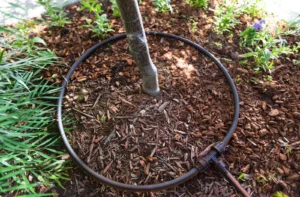
    Alt text: Example of drip irrigation setup around a newly planted tree, featuring a circular drip line delivering water directly to the root zone, surrounded by mulch and small plants. Ideal for a Raleigh irrigation upgrade to ensure deep watering and healthy plant growth.
    Drip Irrigation
    When it comes to watering newly planted shrubs, there’s no one-size-fits-all approach. Many of the plants we love here in the Triangle — like azaleas, hollies, and other regional favorites — have very different water needs. Because of this, creating a “perfect” watering schedule can be challenging.

    The key to success is watering slowly and deeply, especially on the day your new plants are installed. Your irrigation system’s plant zones will typically include either drip irrigation or overhead irrigation, and the approach differs slightly for each. (more…)

  • How do I water my lawn when I overseed in the fall?

    Most customers begin aerating and overseeding in September. For aeration to be effective, the tines must penetrate the soil. To help achieve this, we recommend using your irrigation system to moisten the ground beforehand. If necessary, run your system for two consecutive days, then allow one day for the soil to dry before aeration takes place.

    Once your lawn has been aerated and seeded, it’s important to keep the soil consistently moist for about 14 days to encourage proper germination. A good rule of thumb is to water twice a day until the new seed has sprouted. Because every yard is different—factors like shade, slope, soil type, and sprinkler system design all play a role—watering times will vary. In general, we suggest:

    • Spray heads: 2–3 minutes, twice a day
    • Rotor heads: 5–7 minutes, twice a day

    After you see good germination, transition to watering once a day for another week. Then, move to a regular watering schedule.

    Keep in mind, natural rainfall will affect this process. If your rain sensor is functioning properly, it will automatically pause your system to prevent over watering and water waste. If you don’t have a working rain sensor, contact us—we can help.